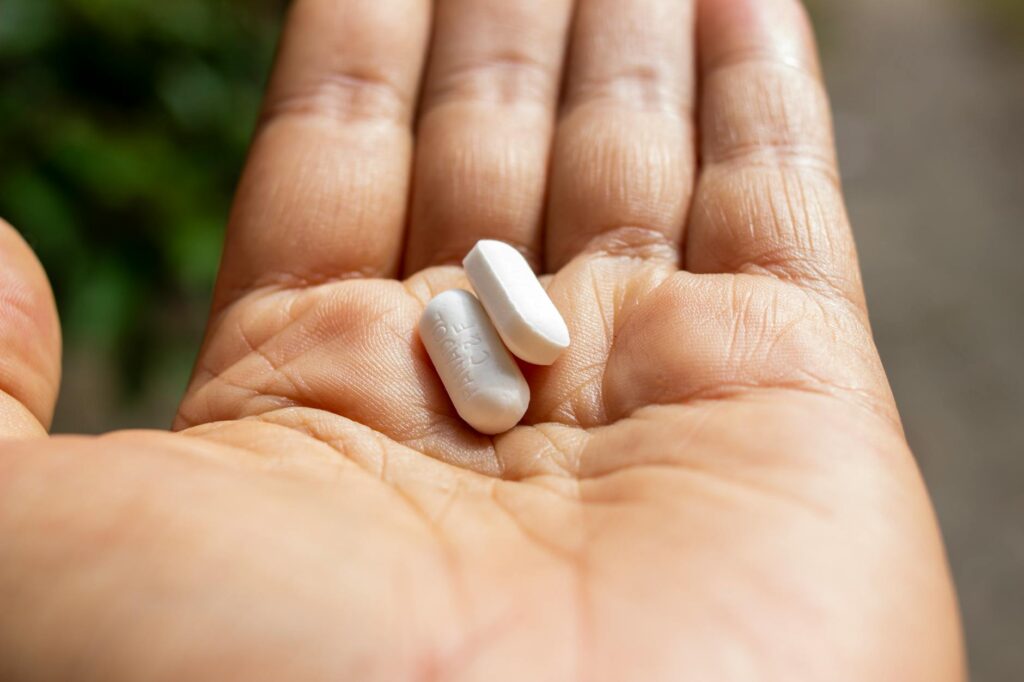
Orforglipron, an investigational oral GLP-1 receptor agonist developed by Eli Lilly, has successfully met its primary endpoint in the ACHIEVE-4 cardiovascular outcomes trial, according to results published in JAMA Cardiology. The study evaluated the drug’s cardiovascular safety and efficacy in patients with type 2 diabetes and established cardiovascular disease, marking a significant milestone for oral GLP-1 therapy development.
The ACHIEVE-4 trial demonstrated that orforglipron was non-inferior to placebo in terms of major adverse cardiovascular events (MACE), satisfying regulatory requirements for cardiovascular safety. This outcome is particularly noteworthy as orforglipron represents a potential alternative to injectable GLP-1 medications like semaglutide and tirzepatide, which have dominated the diabetes and weight loss treatment landscape but require weekly or daily injections.
GLP-1 receptor agonists work by mimicking the action of the naturally occurring hormone glucagon-like peptide-1, which stimulates insulin secretion, suppresses appetite, and slows gastric emptying. While injectable formulations have shown remarkable efficacy for both glycemic control and weight management, patient preference studies consistently indicate that many individuals would prefer an oral medication if efficacy could be maintained. Orforglipron’s pill form could potentially improve adherence rates and expand access to this class of therapy.
The cardiovascular safety data from ACHIEVE-4 addresses a critical regulatory requirement, as the FDA mandates that new diabetes medications demonstrate they do not increase cardiovascular risk. Some GLP-1 agonists, including injectable semaglutide, have gone beyond showing safety to demonstrating cardiovascular benefit, setting a high bar for new entries in this therapeutic class.
For patients and clinicians, successful completion of ACHIEVE-4 brings orforglipron closer to potential FDA approval, though additional regulatory review and approval processes remain. If approved, the oral medication could offer a more convenient option for patients who are needle-averse or prefer oral therapy, potentially expanding the reach of GLP-1 treatment to populations currently underserved by injectable options.