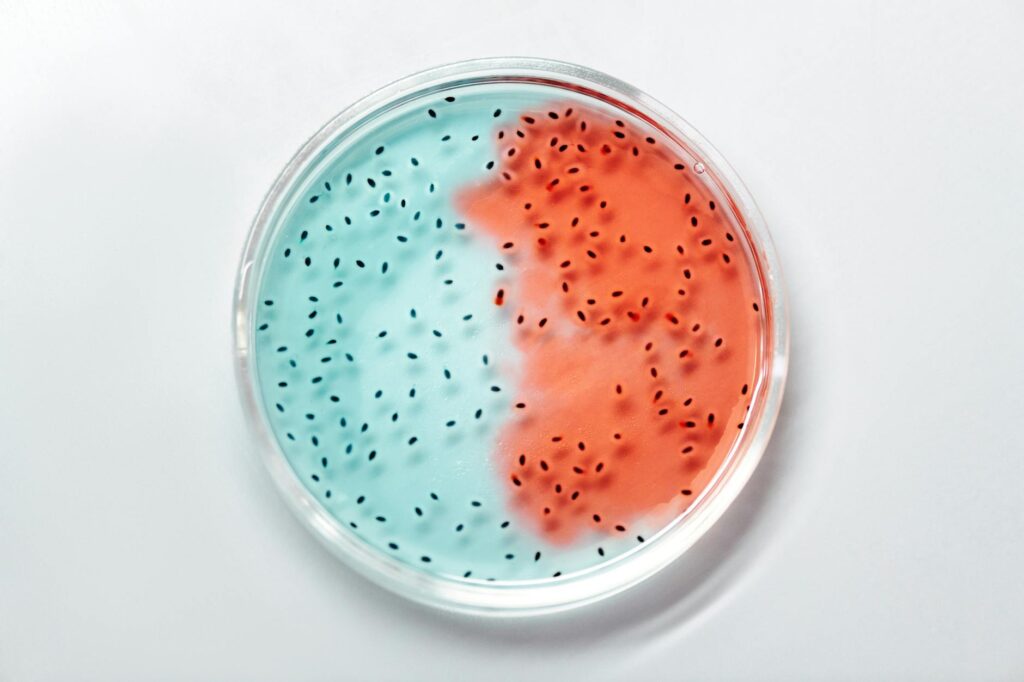
Researchers have successfully used artificial intelligence to design antimicrobial peptides capable of killing drug-resistant bacteria, according to findings published in Nature Biotechnology. The AI-generated compounds demonstrated effectiveness against several strains of antibiotic-resistant pathogens, marking a significant advancement in the fight against superbugs that claim hundreds of thousands of lives annually.
The research team trained machine learning algorithms on existing databases of antimicrobial peptides—short chains of amino acids that can puncture bacterial membranes. The AI system then generated novel peptide sequences predicted to have potent antibacterial properties while minimizing toxicity to human cells. Laboratory testing confirmed that several AI-designed peptides showed strong activity against methicillin-resistant Staphylococcus aureus (MRSA) and other problematic pathogens.
Antimicrobial resistance has become one of the most pressing challenges in modern medicine, with the World Health Organization estimating that drug-resistant infections could cause 10 million deaths per year by 2050 if left unchecked. Traditional antibiotic discovery methods are time-consuming and expensive, often taking over a decade to bring a new drug to market. The AI-driven approach demonstrated in this study could potentially accelerate the development pipeline while exploring a vastly larger chemical space than conventional methods allow.
The implications extend beyond immediate clinical applications. This proof-of-concept study suggests that machine learning could revolutionize how researchers identify promising antimicrobial candidates, potentially creating personalized treatments tailored to specific resistant bacterial strains. However, the AI-designed peptides still face years of preclinical and clinical testing before they could reach patients, and questions remain about manufacturing scalability and cost-effectiveness for peptide-based therapies.