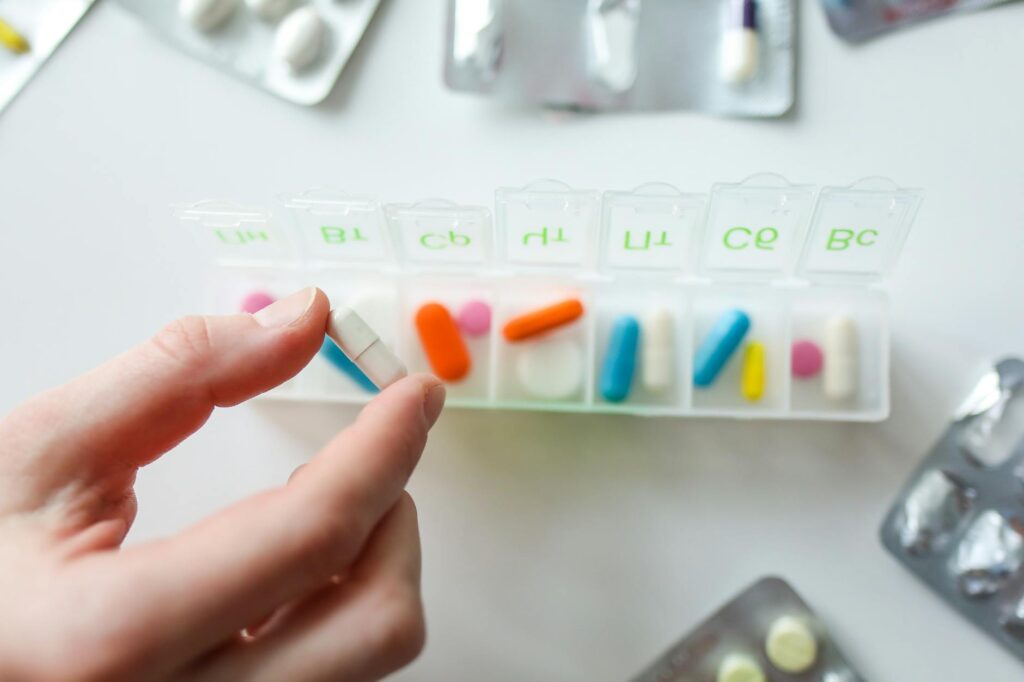
Eli Lilly’s experimental weight loss pill orforglipron has demonstrated superior results compared to Novo Nordisk’s oral semaglutide in a direct comparison trial published in The New England Journal of Medicine. The head-to-head study marks a significant milestone in the race to develop effective oral alternatives to injectable GLP-1 receptor agonists, with orforglipron showing more substantial weight reduction in participants over the trial period.
The trial results come at a critical time as pharmaceutical companies compete to capture market share in the rapidly expanding obesity treatment sector, currently dominated by injectable medications like Wegovy and Zepbound. Oral formulations represent the next frontier in this space, offering patients a more convenient alternative to weekly injections while potentially expanding access to weight loss therapies.
Orforglipron works by targeting the GLP-1 receptor pathway but does so through a different molecular approach than semaglutide, which may contribute to its enhanced efficacy profile. The drug is designed to be taken daily as a pill, eliminating the need for injections that some patients find challenging or uncomfortable. This ease of administration could prove crucial for long-term adherence, a key factor in successful weight management.
The findings position Eli Lilly favorably in the competitive obesity medication landscape, particularly as the company seeks to differentiate its portfolio from Novo Nordisk’s established products. If approved by regulatory authorities, orforglipron could offer physicians and patients another powerful tool in addressing obesity, a condition affecting over 40% of American adults and associated with numerous serious health complications including type 2 diabetes, cardiovascular disease, and certain cancers.
For patients, the development of effective oral weight loss medications could represent a meaningful advance in treatment options, particularly for those who prefer pills over injections or have difficulty with self-administration of injectable drugs. The success of orforglipron in this trial suggests the oral GLP-1 market may soon offer multiple options, potentially driving competition and innovation in this therapeutic area.