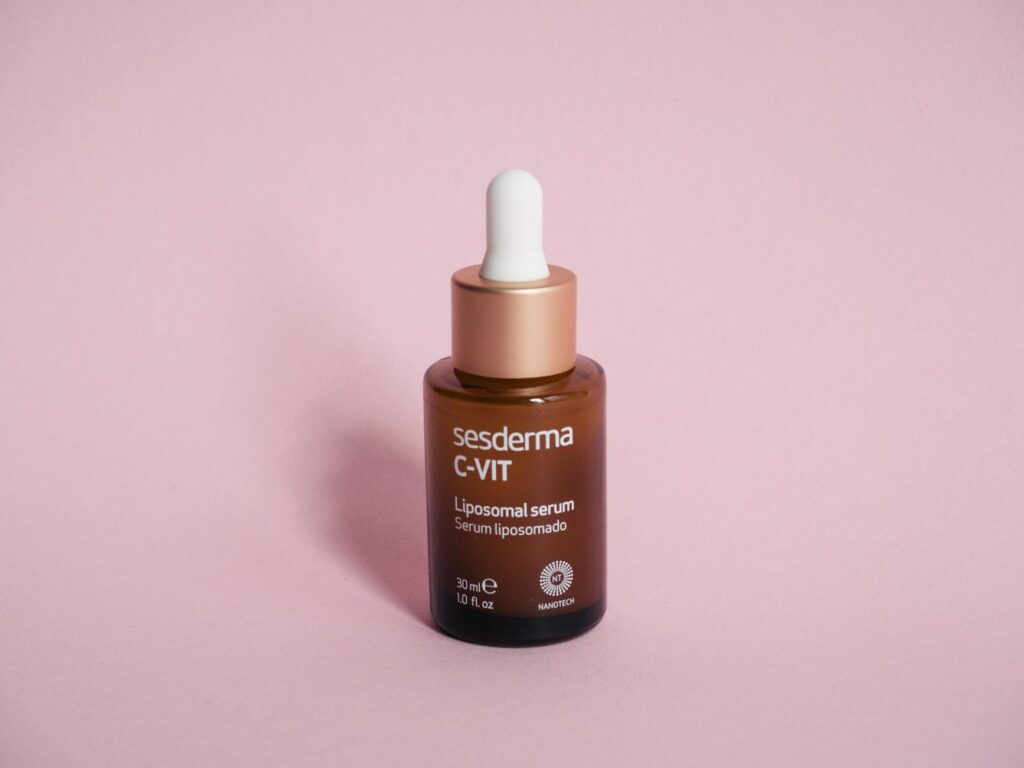
Exosome-based cosmeceutical products are experiencing unprecedented growth in the skincare market, emerging as the fastest-growing segment according to recent industry analysis published by Dermatology Times. These advanced formulations harness extracellular vesicles to deliver targeted cellular communication signals, representing a significant shift from traditional topical treatments toward more biologically sophisticated approaches to skin rejuvenation.
Exosomes are nanoscale vesicles naturally secreted by cells that contain proteins, lipids, and genetic material capable of influencing cellular behavior. In cosmeceuticals, these particles are typically derived from stem cells or plant sources and are formulated to penetrate the skin barrier, delivering bioactive compounds directly to target cells. Manufacturers claim these products can stimulate collagen production, reduce inflammation, and accelerate tissue repair more effectively than conventional peptides or growth factors.
The rapid market expansion reflects growing consumer demand for science-backed skincare solutions that bridge the gap between over-the-counter cosmetics and medical treatments. While traditional anti-aging products rely primarily on surface-level hydration and antioxidant protection, exosome-based formulations promise deeper cellular communication and regeneration. This positioning appeals to consumers seeking clinical-grade results without invasive procedures.
Despite the market enthusiasm, dermatologists emphasize the need for rigorous clinical validation. The regulatory landscape for exosome cosmeceuticals remains evolving, with questions surrounding standardization, dosing, and long-term safety profiles. Unlike pharmaceutical drugs, cosmeceuticals face less stringent approval requirements, raising concerns about consistency and efficacy claims across different products.
For consumers considering exosome-based skincare, dermatologists recommend seeking products from reputable manufacturers with published research supporting their formulations. As this segment continues to expand, industry observers anticipate increased regulatory scrutiny and demand for standardized testing protocols to substantiate the regenerative claims driving this market growth.