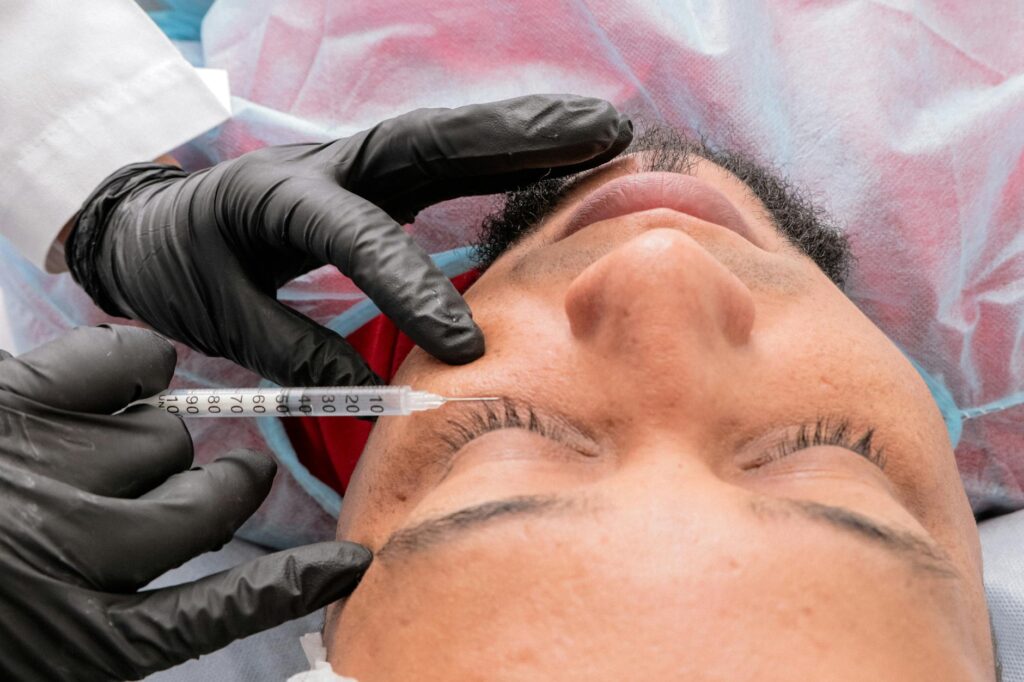
The aesthetic medicine industry has officially designated 2026 as the ‘Year of Regenerative Aesthetics,’ marking a pivotal shift away from traditional dermal fillers toward biologic treatments, according to an announcement in the Aesthetic Surgery Journal. This industry-wide initiative reflects growing consumer demand for treatments that harness the body’s own regenerative capabilities rather than relying on synthetic or foreign materials.
The declaration comes amid increasing scrutiny of hyaluronic acid fillers and concerns about long-term filler migration, granulomas, and the rising phenomenon of ‘filler fatigue’ among patients who have undergone multiple injection sessions. Regenerative approaches—including platelet-rich plasma (PRP), exosomes, growth factors, and stem cell-derived therapies—promise to stimulate the skin’s natural collagen production and cellular repair mechanisms instead of simply filling wrinkles and adding volume.
Industry analysts note that the biologics segment of the aesthetic market has grown by double digits annually over the past three years, while traditional filler sales have plateaued in key markets. This shift represents not just a change in treatment modalities but a fundamental rethinking of aesthetic goals, with emphasis moving from immediate volumization to gradual, natural-looking tissue rejuvenation that works with the body’s biology rather than against it.
For patients, this transition may mean longer intervals between treatments, potentially reduced side effects, and results that develop more gradually but last longer. However, regenerative treatments typically require multiple sessions and may cost more upfront than conventional fillers. The industry designation for 2026 is expected to accelerate clinical research, standardize treatment protocols, and increase insurance consideration for certain regenerative procedures that demonstrate medical as well as cosmetic benefits.