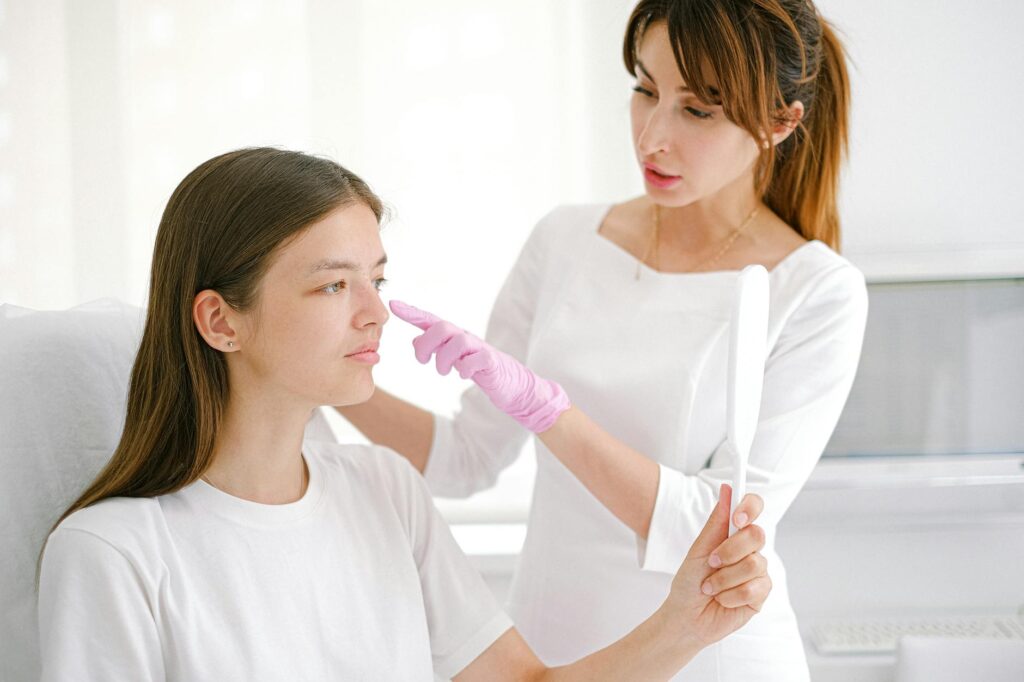
Hormone replacement therapy (HRT) may offer significant benefits for skin health during menopause, according to insights highlighted by Physicians Weekly. As estrogen levels decline during the menopausal transition, women often experience notable changes in skin structure and function, including decreased collagen production, reduced elasticity, increased dryness, and accelerated aging. These dermatological changes represent some of the most visible and distressing symptoms of menopause for many women.
The relationship between estrogen and skin health is well-established in dermatological research. Estrogen receptors are present throughout the skin, and the hormone plays a crucial role in maintaining collagen synthesis, skin thickness, moisture retention, and wound healing. When estrogen levels drop during menopause, collagen content can decrease by as much as 30% in the first five years post-menopause, leading to increased wrinkling and skin laxity.
HRT works by supplementing declining hormone levels, potentially helping to preserve skin collagen, maintain skin thickness, and improve hydration. Studies have demonstrated that women using HRT may experience better skin elasticity and fewer wrinkles compared to those not receiving hormone therapy. The treatment may also help with wound healing and reduce the appearance of age-related skin changes that accelerate after menopause.
However, the decision to use HRT for any reason, including skin health, should be made carefully with a healthcare provider. While skin benefits are a positive side effect, HRT carries potential risks that must be weighed against benefits, particularly for cardiovascular health and breast cancer risk depending on individual patient profiles.
For women considering their options during menopause, understanding that HRT may offer dermatological benefits in addition to managing hot flashes and other symptoms could inform treatment decisions. As personalized medicine advances, clinicians can better identify which patients might benefit most from HRT while minimizing risks, making skin health preservation one of multiple factors in the treatment equation.