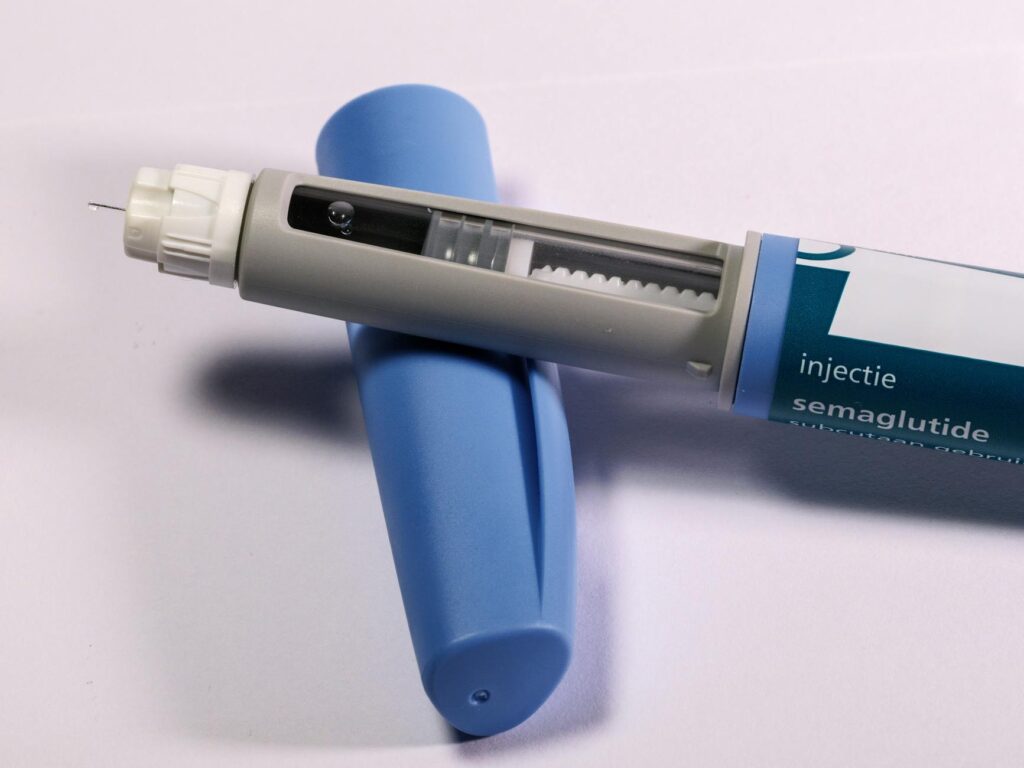
Semaglutide, the blockbuster diabetes and weight-loss drug marketed as Ozempic and Wegovy, is set to lose patent protection in India, potentially opening the door for more affordable generic versions in one of the world’s most populous nations. However, healthcare experts are raising concerns about whether the patients who need this medication most will actually be able to access it once cheaper alternatives hit the market.
The patent expiration in India represents a significant milestone for a drug that has transformed diabetes management and obesity treatment globally. India’s robust generic pharmaceutical industry could begin manufacturing lower-cost versions of semaglutide, which currently retails at premium prices that put it out of reach for most Indian patients. The country faces a growing burden of type 2 diabetes, with an estimated 77 million adults living with the condition, and obesity rates that have been climbing steadily in recent years.
Despite the promise of generic competition, several barriers may prevent widespread access. Manufacturing GLP-1 receptor agonists like semaglutide is technically complex, requiring sophisticated biological production processes unlike simpler chemical drugs. This could limit the number of manufacturers capable of producing quality generics and keep prices higher than typical generic medications. Additionally, India’s healthcare infrastructure and insurance coverage for chronic disease medications remain inadequate in many regions, particularly rural areas where the disease burden is substantial.
The situation highlights a broader challenge in global health equity: patent expiration alone doesn’t guarantee affordable access to life-changing medications. For semaglutide to truly benefit India’s diabetes and obesity populations, the country will need not only capable generic manufacturers but also improved healthcare delivery systems, physician education about the medication, and insurance frameworks that cover these treatments. Without addressing these systemic issues, even low-cost semaglutide may remain inaccessible to the millions who could benefit from it.